Bathing culture
Sento, the neighborhood bathhouse
Mount Fuji murals, a counter by the door and a few hundred yen. Why Japan's public baths are worth a detour.
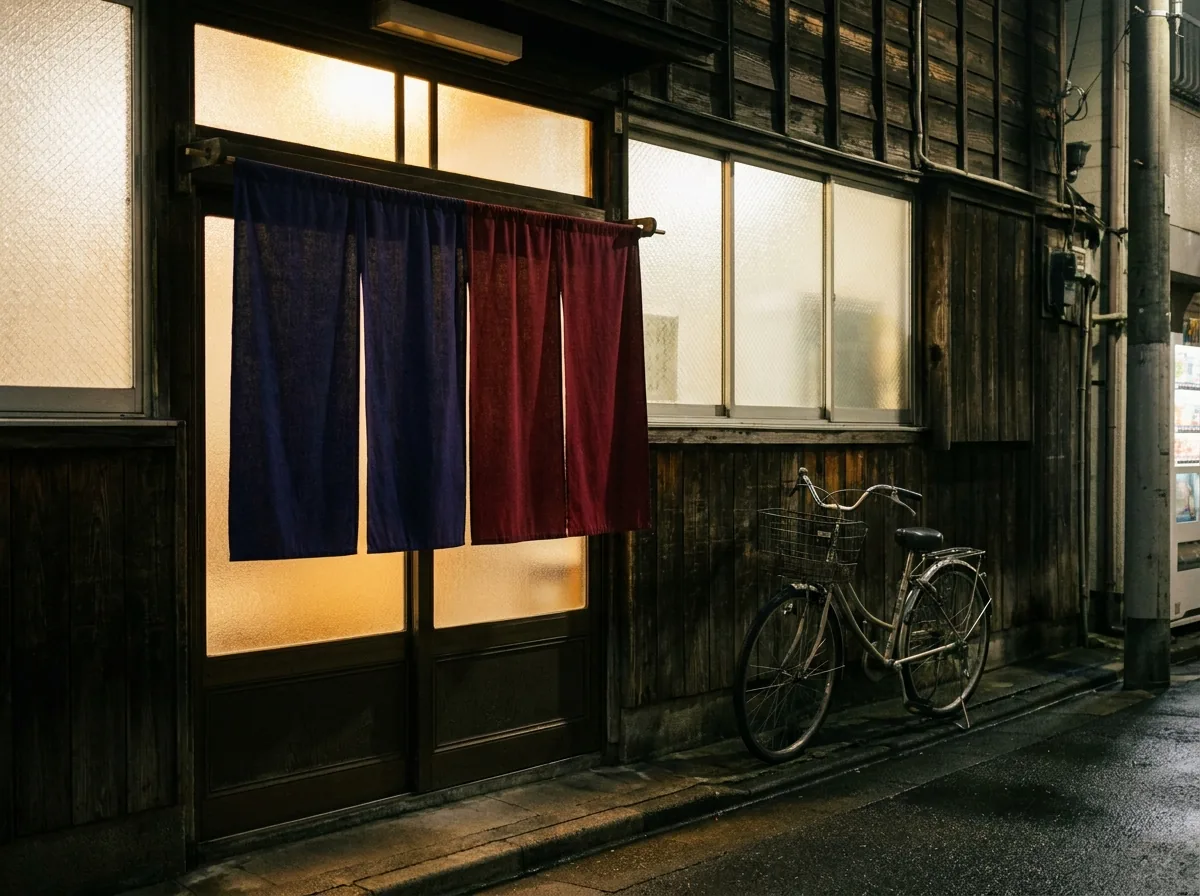
Before most Japanese homes had a bathroom, everyone washed at the local 銭湯 (sento). The name means “coin bath”, and it still costs about the same as a coffee. A few thousand remain across Japan. For a traveller they’re the easiest, cheapest and often the most tattoo-friendly way to experience Japanese bathing.
What you’ll find inside
- A tall entrance with noren curtains. Men’s and women’s sides are marked 男 and 女.
- The counter. Traditionally a raised seat called a 番台 (bandai) looked into both changing rooms. Most sento now have a front desk in the lobby instead.
- The mural. Many Tokyo sento have a huge painting of Mount Fuji on the wall above the baths. A few craftsmen still paint them by hand.
- Several small baths. Usually a hot one, a hotter one, and often a jet bath, an electric bath (a mild tingling current), herbal baths and a cold plunge.
Sento, onsen, super sento: what’s the difference?
An onsen uses natural hot-spring water. A sento usually heats ordinary water, though some Tokyo sento pump up real mineral water from deep underground. A super sento is a large leisure complex with restaurants and nap rooms, and is often much stricter about tattoos.
A new generation of sento
Many sento closed as private bathrooms spread, but the ones that survive are being reinvented. Young owners have added craft-beer fridges, designer saunas and art exhibitions, and some post their tattoo policy in English. Several of the tattoo-friendly baths on our map are this kind of place.
Tips for your first sento
- Bring a small towel, or buy one at the counter for a couple of hundred yen.
- Soap and shampoo aren’t always provided at older sento. Bring your own or buy a mini set.
- Pay first, then go to your side. Keep an eye on the closing time, often around midnight.
- A bottle of milk from the vending machine afterwards is the traditional finish.